4
Years Of Experience
Structures That Handle Farming Operations and Storage
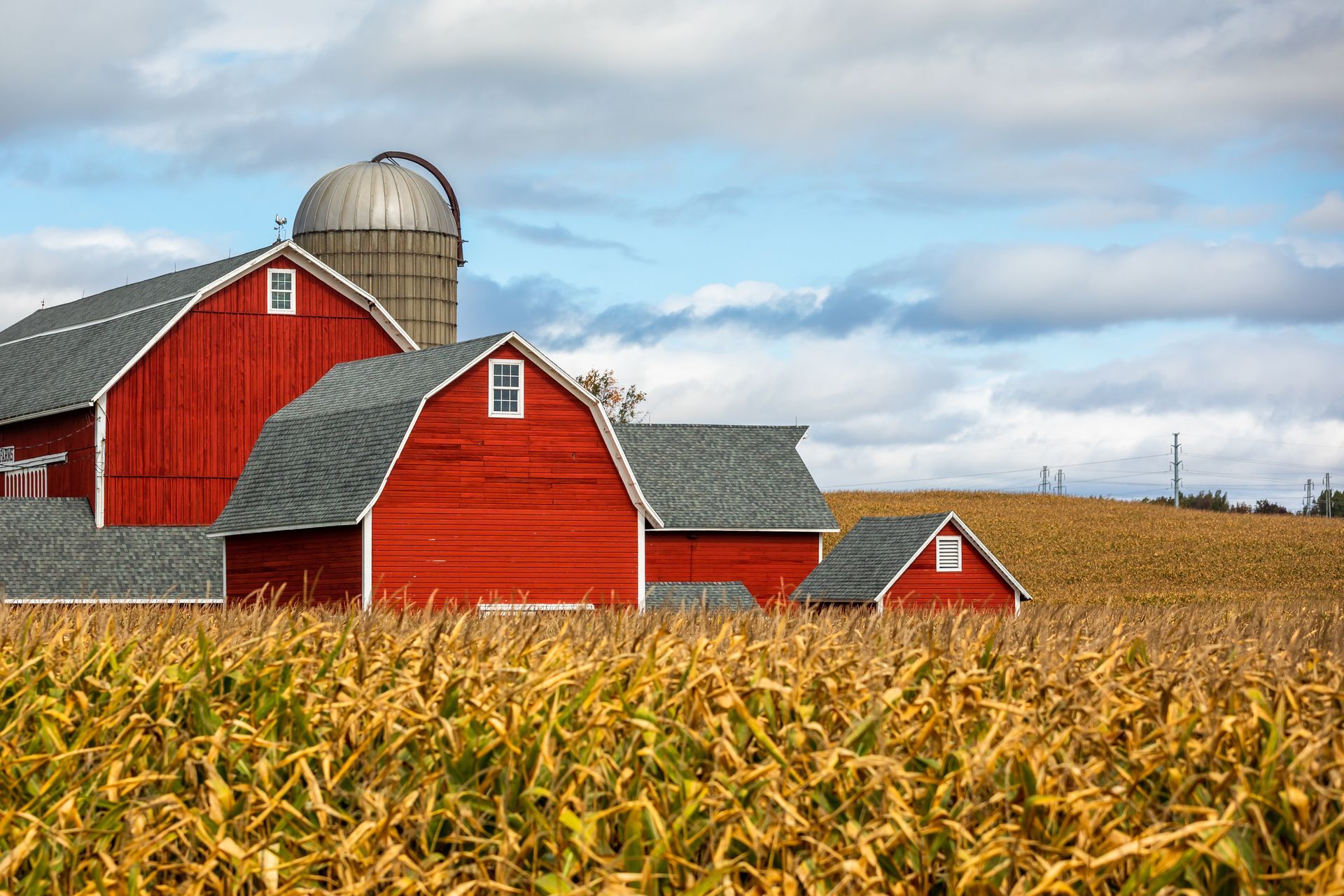
Agricultural Building Construction in Warrenton for farms and rural properties requiring hay storage, livestock shelters, and equipment protection built to withstand weather and heavy use
Hay storage buildings prevent moisture damage that ruins bales, livestock shelters provide wind and rain protection during calving or lambing, and equipment buildings keep tractors and implements out of weather that accelerates rust and deterioration. These structures need wider spans to accommodate large loads, roof pitches that shed snow and rain quickly, and foundations that handle seasonal ground movement without shifting door frames out of alignment. Campbell's Carpentry constructs agricultural buildings in Warrenton with materials and designs matched to the specific use, whether that involves open-sided shelters for cattle, fully enclosed hay barns with ventilation to prevent mold, or equipment storage with clearance for oversized machinery.
The construction focuses on durability under constant exposure, with treated posts in ground contact, metal roofing that outlasts shingles in rural settings, and framing designed for wind loads common to open farm sites. Door sizes are planned around actual equipment dimensions, and floor surfaces are chosen based on whether the building stores dry goods, houses animals, or parks heavy machinery.
Schedule a property visit to evaluate site access, drainage patterns, and building size based on your current and anticipated farm operations.
What Agricultural Construction Actually Accomplishes
Agricultural buildings are engineered for load-bearing capacity that supports hay stacks, roof spans that eliminate interior posts obstructing equipment movement, and ventilation systems that prevent condensation in enclosed spaces. Foundation design varies by use, with gravel floors adequate for equipment storage, concrete slabs preventing moisture wicking into stored feed, and dirt floors acceptable for livestock shelters where drainage is managed through site grading. Roof pitch and overhang dimensions affect how quickly water clears and how much ground splash reaches stored materials or sheltered animals.
After the building is complete, you store hay that remains dry through winter, house livestock without wind-driven rain reaching bedding areas, and park equipment under cover that prevents rust on hydraulic cylinders and electrical systems. The structure maintains square door openings because the foundation resists frost heave, and roofing stays intact during storms because the framing was designed for regional wind and snow loads.
Scalability matters for growing operations, with buildings designed to allow future expansion through additional bays or extended rooflines. Material choices between wood post-frame and steel construction depend on span requirements, budget, and whether the building needs to meet specific agricultural use codes.
Common Questions About Farm Buildings
Agricultural building projects involve decisions about structure type, material durability, and layout flexibility to support changing farm needs over time.
What types of agricultural buildings serve different farm operations?
Common builds include hay barns with ventilation to prevent moisture buildup, livestock shelters with open sides for airflow and weather protection, and equipment storage buildings with tall door clearances and wide spans for machinery access.
How does building size affect cost and construction time?
Larger buildings require more material and labor but cost less per square foot, with construction timelines extending as roof spans increase and foundation complexity grows to handle heavier loads.
What materials withstand long-term agricultural use in Warrenton?
Treated wood posts resist ground contact rot, metal roofing outlasts shingles in moisture and temperature extremes, and galvanized fasteners prevent rust in livestock environments with high ammonia levels.
When should concrete floors be included versus gravel or dirt?
Concrete prevents moisture from reaching stored feed and provides a stable surface for heavy equipment, while gravel offers adequate drainage for open-sided shelters and dirt floors work in livestock housing where bedding absorbs waste.
What design features allow buildings to expand as operations grow?
Post-frame construction supports future bay additions without rebuilding the entire structure, and roof designs can extend to cover additional space when storage or shelter needs increase.
Campbell's Carpentry builds agricultural structures sized and designed for your specific farm operations, with materials chosen for durability under continuous outdoor exposure and heavy use. Request an evaluation to discuss building type, site preparation, and layout options that fit your land and operational requirements.