4
Years Of Experience
Structural Systems Built for Large Spans
Post Frame Buildings in Warrenton for owners needing cost-effective structures with open interior space
Post frame construction differs from conventional stick framing by using vertical posts embedded in the ground as the primary load-bearing system instead of continuous stud walls on top of a perimeter foundation. This method reduces both material volume and build time while creating interiors free of load-bearing walls that would interrupt floor space. Campbell's Carpentry uses post frame methods in Warrenton for barns, workshops, storage buildings, and equipment shelters where cost per square foot and construction speed outweigh the need for finished interior surfaces or complex HVAC integration.
The process involves site grading, post hole excavation, setting treated posts in concrete, installing girts and roof trusses, then adding metal roofing and siding to enclose the structure. The post spacing and embedment depth are engineered based on building dimensions, roof load, wind exposure, and soil bearing capacity.
Request a site evaluation to assess soil conditions and review building dimensions suited to your needs.
What Post Frame Methods Deliver Structurally
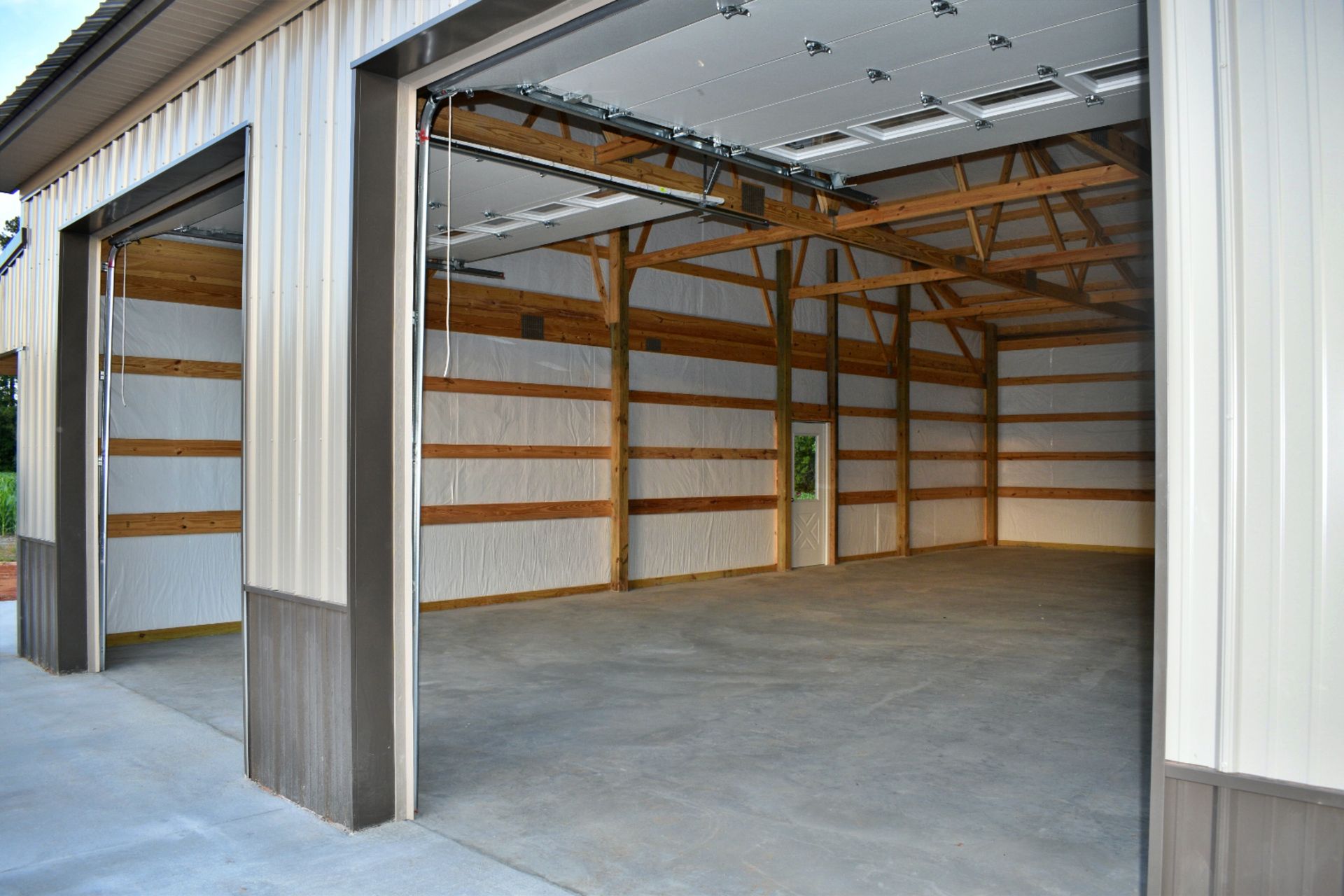
Post frame buildings use fewer structural components than stick-built alternatives, which translates to faster assembly and lower labor hours. The embedded posts resist lateral wind loads and support roof weight without requiring interior columns, and horizontal girts connect posts to create a framework for metal siding attachment. Roof trusses span the width of the building and bear directly on the post tops, eliminating the need for load-bearing partition walls that would divide the interior space.
Once completed, you notice a building with wide-open floor space suitable for parking large equipment, storing bulk materials, or setting up workshop areas without structural obstacles dictating layout. The metal exterior sheds precipitation immediately and resists rot, insect damage, and weathering that affect wood siding over time. Insulation becomes an option if climate control matters, but the basic structure functions effectively for unheated storage or seasonal use without additional thermal barriers.
Costs depend on total square footage, roof pitch complexity, insulation inclusion, concrete slab installation, and the number of overhead doors or windows added. Post frame suits agricultural buildings, vehicle storage, workshops, and any application where maximizing usable interior space per dollar spent drives the decision more than achieving a finished residential appearance.
What Owners Want to Know First
Property owners in Warrenton evaluating post frame construction often compare it against traditional methods and ask about durability, cost savings, and best applications.
What separates post frame from stick-built construction?
Post frame relies on embedded vertical posts rather than a continuous foundation and stud walls, which cuts material use and allows faster assembly—stick-built methods offer easier interior finishing and better insulation options but cost more and take longer to complete.
How do soil conditions in Warrenton affect post installation?
Clay soils require deeper embedment and larger concrete footings to prevent frost movement and settling, while sandy or rocky soils may need engineered solutions to achieve adequate bearing capacity for the post loads.
Why does post frame cost less per square foot?
Eliminating the perimeter foundation, reducing lumber volume, and using simpler connections all lower material and labor costs—the trade-off is fewer options for interior finishes and less flexibility for complex window or door placements.
When should I choose post frame over conventional framing?
Post frame makes sense for barns, shops, and storage buildings where open interior space matters more than residential-level finishes, where budget constraints favor cost efficiency, or where construction speed is a priority.
What maintenance does a post frame building require?
Metal roofing and siding need occasional inspection for fastener tightness and panel damage, treated posts resist rot and insect damage for decades, and the simplified structure has fewer components that degrade compared to wood-sided buildings requiring paint and trim upkeep.
Campbell's Carpentry designs post frame buildings to match your specific storage, workshop, or agricultural requirements. Arrange a consultation to walk through size options, site conditions, and features that align with how you'll use the space.