4
Years Of Experience
Workspaces Designed for Specific Tasks
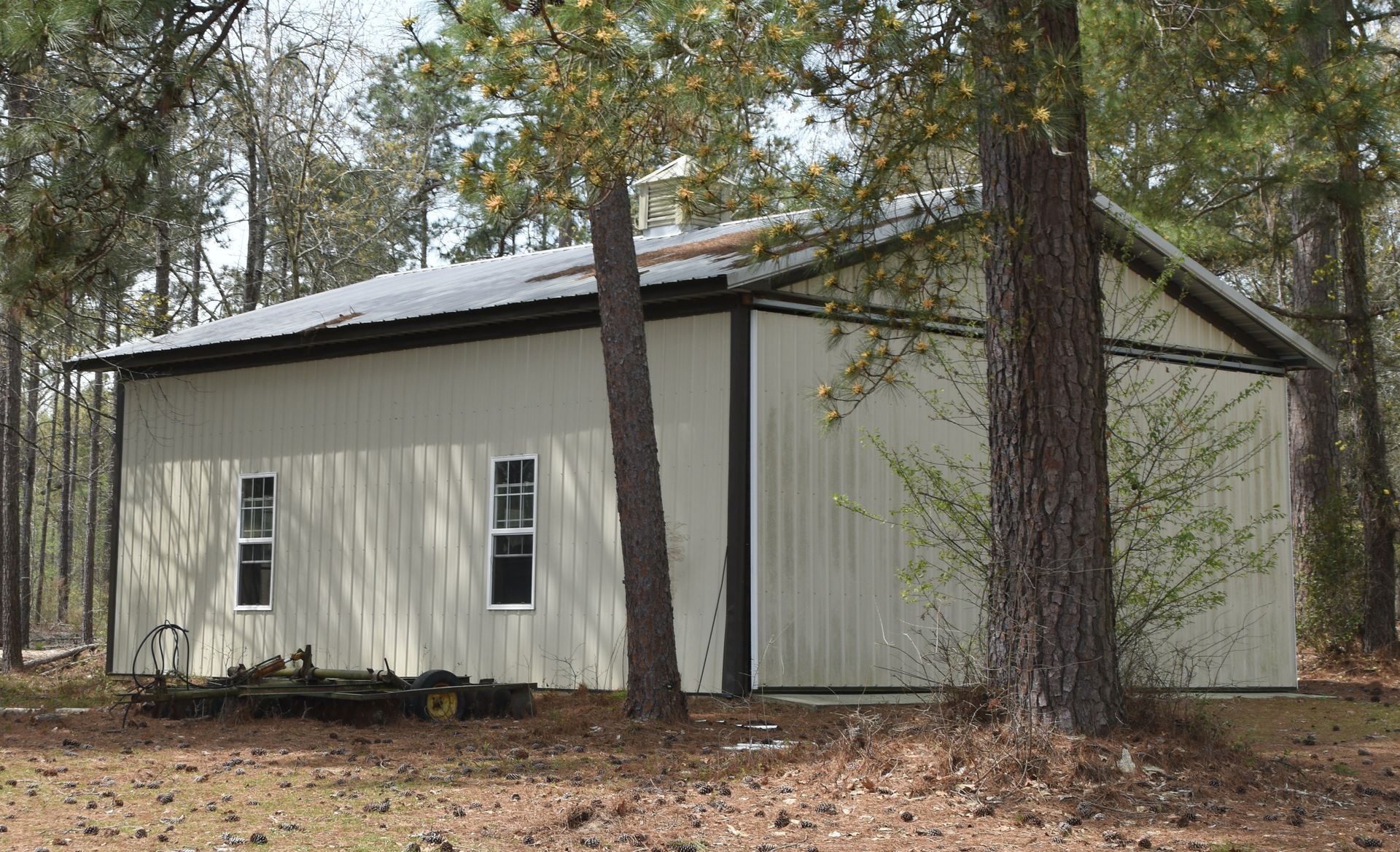
Shop & Outbuilding Construction in Warrenton for homeowners needing dedicated workspace or storage separate from the main house
A detached shop gives you a dedicated space for projects that generate noise, dust, or require tool storage without affecting the main residence. Campbell's Carpentry constructs workshops and outbuildings in Warrenton using either wood frame or post frame methods depending on your insulation needs, electrical requirements, and whether the structure will house heavy equipment or function primarily as storage. The decision between framing systems comes down to interior finish preferences, heating plans, and how much clear span you need without interior columns interrupting the layout.
Construction follows the same foundational steps as residential building—site preparation, foundation or post installation, framing, roof system, exterior enclosure, and interior finishes based on intended use. Electrical rough-in happens after framing if you need lighting, outlets, or equipment circuits, and HVAC integration depends on whether you plan year-round use or seasonal operation.
Schedule a planning session to discuss building size, door configurations, and utility requirements for your shop project.
Why Build Method Affects Long-Term Functionality
Wood frame construction provides more flexibility for interior finishes, insulation installation, and wall-mounted storage systems compared to post frame methods. You gain standard stud spacing that simplifies drywall, cabinet mounting, and electrical box placement, but you also use more lumber and require a continuous foundation. Post frame construction costs less and builds faster, offering wide-open interior space ideal for vehicle lifts or large machinery, though interior finishing requires additional framing or alternative mounting solutions for walls and ceilings.
After construction, you notice a building that maintains comfortable working temperatures if insulated properly, provides adequate lighting through planned window and fixture placement, and accommodates your specific workflow without forcing you to rearrange equipment around structural obstacles. Overhead doors, man doors, and window locations are determined during design to match how you'll move materials in and out and where natural light benefits task areas most.
Cost scales with square footage, but also with finish level, foundation complexity, insulation type, electrical service capacity, and specialty features like compressed air lines, dust collection rough-ins, or heavy-duty flooring. Shops used for automotive work, woodworking, metalworking, or hobby fabrication each have different layout and utility demands that affect both initial build cost and long-term usability.
Answers to Frequent Outbuilding Questions
Homeowners planning shop construction in Warrenton typically need clarity on sizing, electrical planning, and how to balance upfront cost against long-term functionality.
How do I determine the right shop size for my needs?
Consider not just current equipment but future tool acquisition, workspace around benches and machinery, storage for materials, and clearance for moving large items—most builders underestimate square footage and regret it once the building is finished.
What electrical service capacity should I plan for?
Light hobby use works with standard 100-amp service, but running welders, compressors, table saws, or multiple high-draw tools simultaneously requires 200-amp service and dedicated circuits to prevent breaker trips during operation.
Why does insulation matter even if I'm not heating the space year-round?
Insulation reduces temperature extremes that affect stored finishes, batteries, and electronics, prevents condensation on metal tools during humidity swings common in Warrenton summers, and makes occasional heater use far more efficient when you do work in cold months.
When does post frame make more sense than wood frame?
Post frame suits larger shops where clear span matters, budgets are tighter, and interior finish isn't a priority—wood frame works better for smaller buildings where you want drywall, standard insulation, and easier integration of cabinetry and wall-mounted systems.
What foundation options work best for shop buildings?
Monolithic slabs with thickened edges provide a level floor and perimeter support in one pour, while pier-and-beam systems work on sloped sites or where future floor changes might be needed—soil conditions and intended floor loading determine the best approach.
Campbell's Carpentry tailors shop construction to match your specific trade, hobby, or storage needs. Contact the team to walk through layout options, electrical planning, and material selections that fit your budget and use case.