
4
Years Of Experience
Homes Built Around How You Actually Live
Custom Home Construction in Warrenton for property owners designing from the ground up
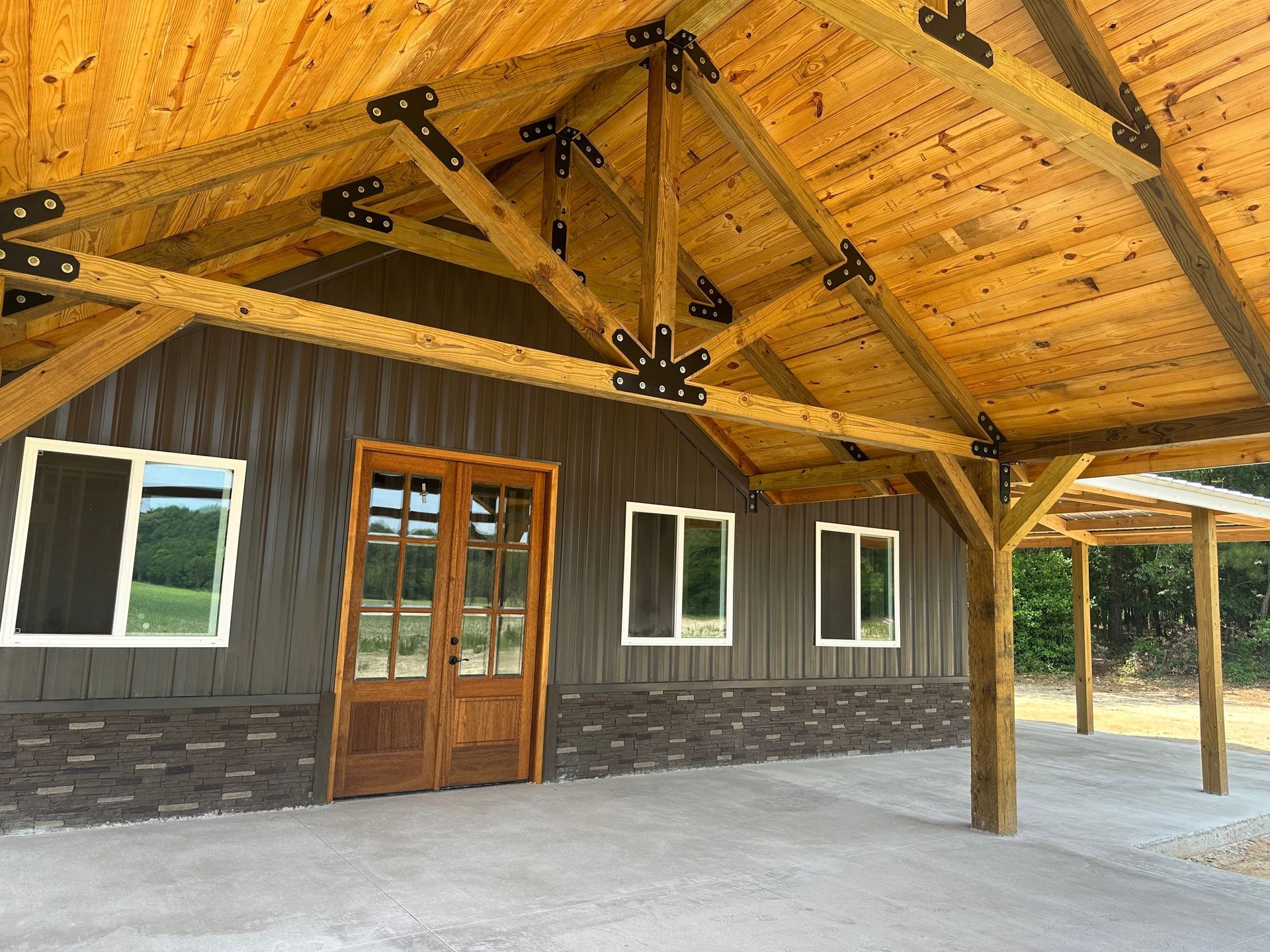
Campbell's Carpentry handles custom home construction in Warrenton, working with property owners who need a house designed specifically for how they plan to use the space. The process starts with understanding your floor plan requirements, material preferences, and budget constraints before any foundation work begins. You're choosing between available lots, evaluating site preparation needs based on soil conditions, and making structural decisions that affect both long-term durability and upfront costs.
The build involves consultation, design refinement, permit coordination, foundation and framing installation, utility rough-ins, exterior and interior finishes, and a final walkthrough where you inspect every completed detail. Each phase reveals decision points—from framing methods that determine wall strength to wood selection that affects how the structure responds to seasonal movement in Missouri's humidity swings.
Schedule a consultation to review lot conditions and discuss initial design considerations.
What the Full Build Process Requires
Custom construction begins with site evaluation and design drafting, where your square footage needs, room layout, and structural preferences are translated into buildable plans. The permitting phase ensures local code compliance before any excavation or foundation work starts. Framing establishes the structural skeleton using methods chosen for load-bearing capacity and long-term stability—decisions about lumber grade, wall construction, and roof pitch happen here and directly affect how the house handles weather and weight over decades.
After framing, you notice walls that stand square, a roof structure that sheds water efficiently, and a floor system that doesn't flex or creak under normal use. Exterior work progresses to lock out moisture, followed by interior finishes where design choices become visible daily features. The timeline stretches based on size, complexity, material availability, and how many custom elements you incorporate beyond standard construction methods.
Cost varies widely depending on total square footage, material quality, land preparation requirements, foundation type, and labor intensity—a straightforward ranch on level ground costs significantly less than a two-story build on sloped terrain requiring extensive grading and engineered foundation solutions. Custom construction makes sense when existing homes don't match your space requirements, when you need specific structural features standard builders don't offer, or when property conditions require tailored foundation and framing approaches.
Questions Property Owners Ask Before Building
Homeowners in Warrenton planning new construction often ask about timelines, cost factors, and what separates quality framing from minimum-code work.
What affects the total cost of building a custom home?
Size drives the baseline, but material selection, site preparation difficulty, foundation requirements, and finish quality create the range—land with poor drainage or significant slope requires additional grading and engineered solutions that add to both time and cost.
How does the framing method affect long-term durability?
Advanced framing techniques reduce thermal bridging and material waste while maintaining structural integrity, but traditional methods using more lumber and closer stud spacing offer added rigidity in areas prone to high wind—your choice depends on energy priorities versus structural conservatism.
When should I choose custom construction instead of buying existing?
Custom makes sense when you need a floor plan unavailable in the local market, when you're building on raw land, or when specific structural features matter enough to justify the longer timeline and design involvement required.
What happens during the design and permitting phase?
You work through floor plans, exterior elevations, and material selections while the builder coordinates with local authorities to secure permits—this phase clarifies exactly what gets built and ensures the design meets county requirements before any site work begins.
How do I evaluate wood quality and framing standards?
Look for lumber grading stamps, consistent spacing that matches engineered plans, proper fastening schedules, and connections that transfer loads correctly—quality framing uses appropriately rated materials installed according to structural requirements, not just visual appearance.
Campbell's Carpentry works through each construction phase with attention to structural decisions that affect how the finished home performs. Arrange an initial meeting to discuss site conditions, design goals, and realistic budget expectations for your project.