
4
Years Of Experience
Separate Buildings That Add Functional Space
Detached Structures in Warrenton for homeowners expanding property utility without adding onto the main house
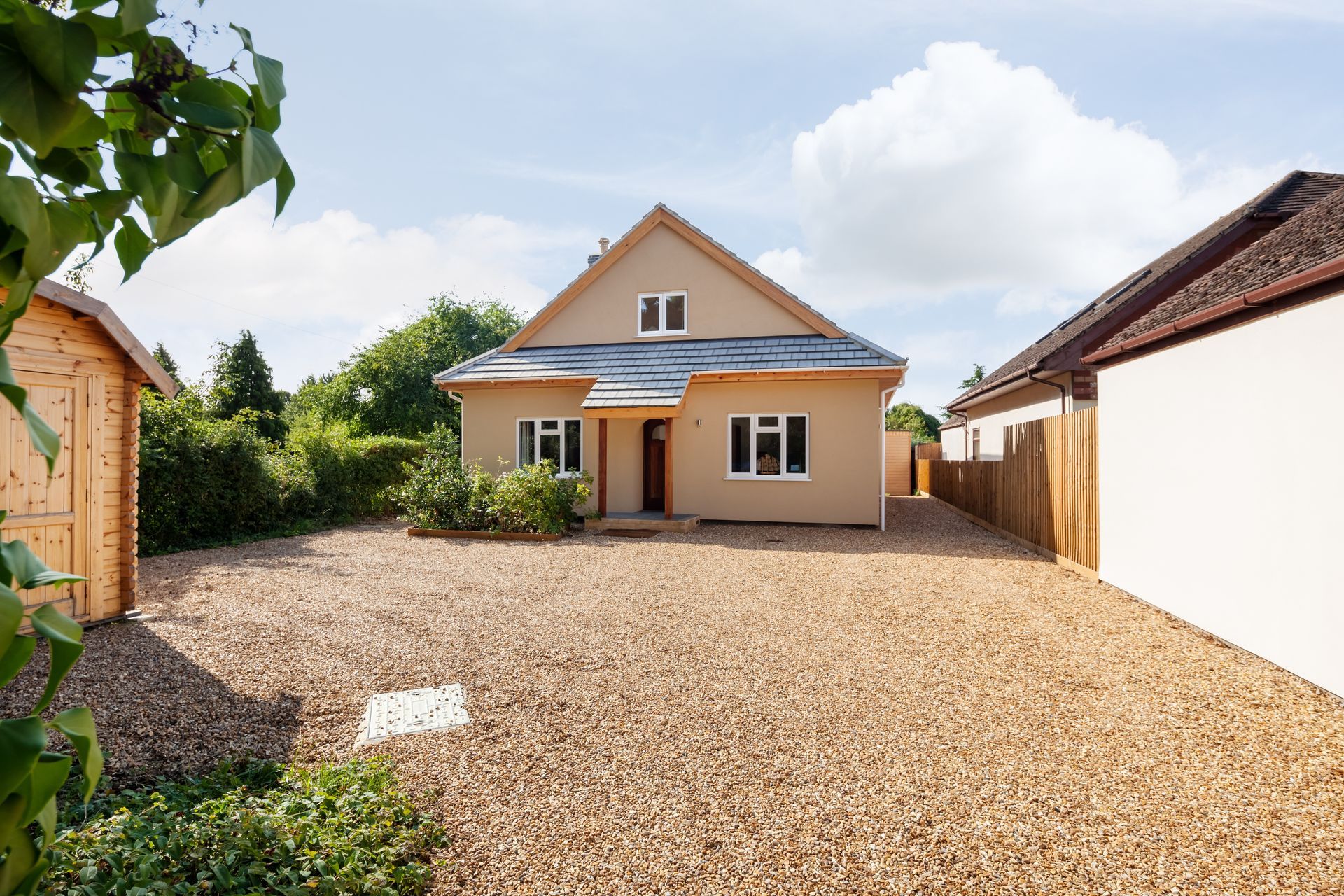
You're adding a detached garage, workshop, garden shed, or guest space because the main house lacks room for specific activities or storage needs. Campbell's Carpentry builds accessory structures in Warrenton designed to serve defined purposes—vehicle protection, tool storage, hobby workspace, or guest accommodations—while integrating visually with existing architecture through matching materials, roof lines, and siding choices. The planning phase determines foundation type, utility connections, and how the structure's placement affects property flow, drainage, and future landscaping.
Construction follows standard building sequences: site preparation, foundation installation, framing, roof assembly, exterior finish, and interior work if the space requires insulation, drywall, or climate control. Permits and setback requirements vary by structure type and size, affecting where you can locate the building on your lot.
Set up a planning meeting to review lot conditions, setback limits, and structure options that fit your needs.
Matching Structure Type to Intended Use
Detached garages prioritize vehicle clearance, door sizing, and durable flooring, while workshops need electrical capacity, task lighting, and insulation if you plan year-round use. Garden sheds focus on weather protection and organized storage with minimal utility requirements, and guest spaces require full insulation, HVAC integration, plumbing rough-ins, and finish work comparable to the main house. Each structure type has different foundation, framing, and finish demands that directly affect both cost and construction timeline.
After completion, you notice a building that serves its intended function without compromising the main residence—stored equipment no longer clutters the primary garage, hobbies that generate dust or noise happen in a separate space, or guests stay comfortably without disrupting household routines. Design choices made during planning, like door placement, window orientation, and exterior material selection, determine how well the structure integrates with the property visually and functionally.
Costs vary based on size, foundation complexity, finish level, utility connections, and whether the structure includes plumbing, HVAC, or high-capacity electrical service. A basic storage shed costs a fraction of a finished guest suite, and decisions about insulation, siding quality, and interior finishes create a wide cost range even within similar square footages. Detached structures make sense when you need dedicated space for activities incompatible with the main house, when lot layout allows separation, or when future resale value benefits from additional functional buildings on the property.
Questions About Adding Detached Buildings
Homeowners in Warrenton planning accessory structures often ask about placement, utility connections, and how to balance upfront investment against long-term property value.
What determines where I can place a detached structure on my lot?
Local setback requirements dictate minimum distances from property lines, the main house, and other structures—Warrenton building codes specify these distances based on structure type, size, and whether utilities are involved.
How do I decide between a simple storage building and a finished workspace?
If you need climate control, electrical outlets, or plan to spend extended time in the space, invest in insulation, drywall, and adequate electrical service—unfinished buildings suit seasonal storage or tasks that don't require comfortable working conditions.
What foundation works best for detached garages versus sheds?
Garages handling vehicle weight need monolithic slabs or thick gravel bases with perimeter footings, while smaller sheds function well on pier foundations or gravel pads that allow easier relocation or future adjustments.
Why match materials between the detached structure and main house?
Cohesive siding, roofing, and trim choices make the property feel intentionally designed rather than haphazardly expanded, which matters for resale appeal and how the buildings relate visually across the lot.
When should I run utilities to a detached building during construction?
Plan electrical, plumbing, or gas lines during the build if future use might require them—retrofitting utilities after construction costs more and disrupts finished surfaces, landscaping, and site drainage already established around the completed structure.
Campbell's Carpentry plans detached structures to complement existing property features while serving specific functional needs. Reach out to discuss building options, material choices, and site considerations that match your budget and intended use.