4
Years Of Experience
Dedicated Space for Serious Work
Workshop Garages in Warrenton for properties requiring reinforced floors and adequate power for equipment use
Workshop garages differ from standard vehicle storage structures in several measurable ways: thicker concrete slabs that handle heavy machinery without cracking, electrical service panels with higher amperage capacity for tools and equipment, and ceiling heights that accommodate lifts, tall storage racks, or ventilation systems needed for woodworking or automotive work. Campbell's Carpentry builds workshop garages in Warrenton with these functional requirements addressed during the design phase rather than retrofitted later. Properties used for serious hobbies, small business operations, or equipment-intensive work rely on construction that supports the actual loads and power demands involved.
The foundation typically involves a four-inch or six-inch reinforced slab rather than the standard residential garage thickness, with rebar spacing and concrete strength specified for concentrated loads from heavy stationary equipment. Electrical work includes installing 200-amp or larger service panels, running 240-volt circuits for welders or large saws, and positioning outlet receptacles at workbench height rather than only at wall base locations.
Schedule a property evaluation to identify power requirements and floor load specifications based on your intended equipment.
What Workshop Construction Actually Accomplishes
Building a workshop garage means specifying higher ceilings to allow for overhead storage or vehicle lifts, installing adequate ventilation to remove sawdust or fumes, and providing sufficient natural or task lighting for detailed work. Floor drains may be included if you plan wash-down operations, and insulation can be upgraded beyond basic garage standards if you intend to heat the space during winter months in Warrenton where temperatures regularly drop below freezing.
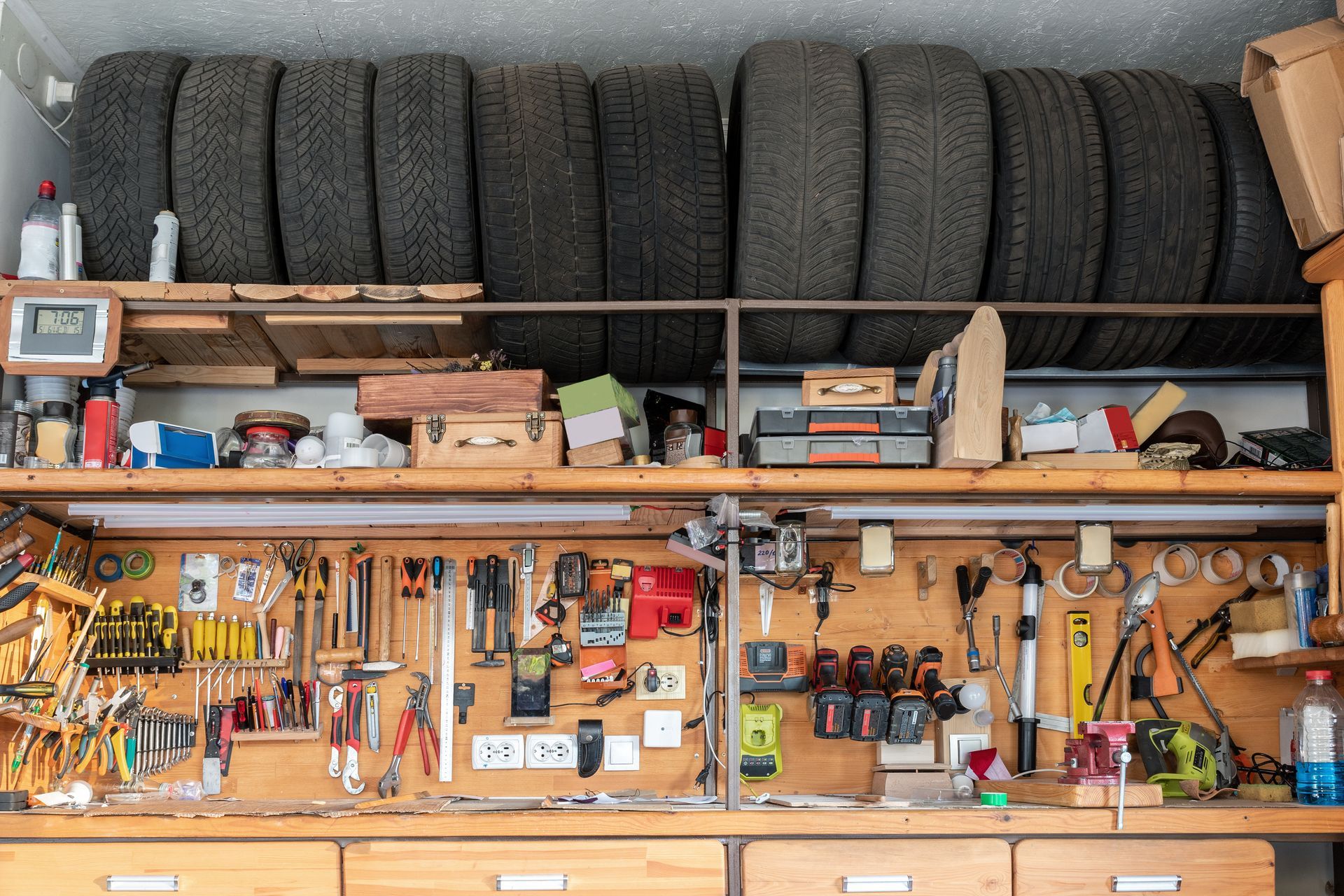
Once complete, you operate heavy equipment without concern for floor cracking, run multiple high-draw tools simultaneously without tripping breakers, and work comfortably in a space designed for extended use rather than brief vehicle access. The structure supports wall-mounted cabinets and shelving systems anchored into framing rather than just surface materials, and electrical circuits handle the sustained load of compressors, dust collection systems, or charging stations for battery-powered tools.
Workshop garages serve woodworkers who need dust management and precise power delivery, automotive hobbyists who require lift capacity and ventilation for exhaust fumes, and small business operators who need dedicated workspace separate from residential areas. Customization extends to door width for moving large materials or equipment, window placement for task lighting, and interior finish level based on whether the space remains utilitarian or receives insulated walls and climate control.
Common Questions About This Service
Clients planning workshop garages in Warrenton typically focus on practical design elements that affect how the space functions under real working conditions.
What electrical capacity does a workshop garage need?
Power requirements depend on your equipment, but most workshop setups benefit from 200-amp service with multiple 240-volt circuits for stationary tools, plus adequate 120-volt outlets for portable equipment and task lighting.
How thick should the concrete slab be for heavy equipment?
A six-inch reinforced slab with rebar grid spacing handles concentrated loads from drill presses, milling machines, or vehicle lifts better than the four-inch slabs used in standard residential garages.
What ceiling height works best for workshop use?
Ten-foot or twelve-foot ceilings provide clearance for overhead storage racks, allow installation of dust collection ductwork, and accommodate vehicle lifts if you plan automotive work.
How is ventilation handled in a workshop garage?
Options include ridge vents combined with soffit intake for passive airflow, powered exhaust fans for active fume removal, or integrated dust collection systems that filter particulates before exhausting air outdoors.
What affects the cost of a workshop garage?
Size, slab thickness and reinforcement, electrical service capacity, ceiling height, insulation level, and specialized features like floor drains or upgraded ventilation all contribute to total construction cost beyond basic garage framing.
Campbell's Carpentry builds workshop garages with the structural capacity and power infrastructure needed for equipment-intensive use. Contact our team to discuss your specific tool requirements and how they translate into design specifications.