
4
Years Of Experience
Room for Growth Without Moving
Bedroom Additions in Warrenton for homes outgrown by growing families or needing space for returning adults
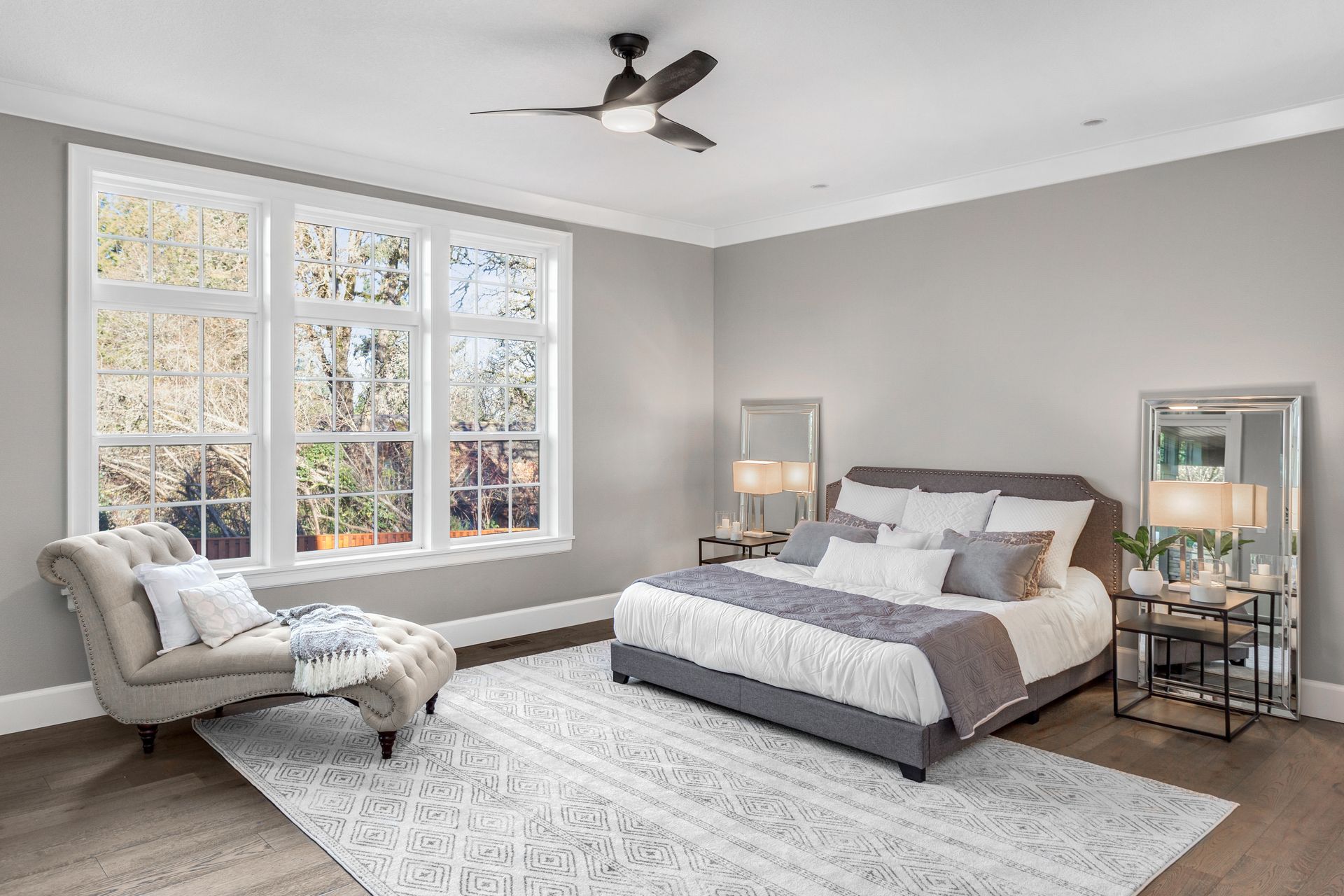
Adding a bedroom changes how your home functions when children need separate rooms, when multi-generational living becomes necessary, or when remote work requires dedicated sleeping space separate from office areas. Campbell's Carpentry constructs bedroom additions in Warrenton by extending your existing floor plan with new foundation work, framing that matches your current wall and roof systems, and HVAC modifications that maintain even heating and cooling across the expanded square footage. The work addresses the specific problem of insufficient sleeping areas without the disruption and expense of selling your property and relocating to a larger home.
Construction begins with design work that determines whether the addition extends from an existing exterior wall or requires a bump-out configuration, followed by permit applications that cover structural plans, foundation specifications, and mechanical system changes. Framing integration involves removing sections of exterior wall, installing support beams where load-bearing walls are opened, and routing ductwork or extending baseboard heating to serve the new space according to local building codes.
Request a detailed estimate based on your home's current layout and the bedroom size that meets your needs.
The Difference Between Adding Space and Moving
Bedroom additions involve foundation work matched to your existing system—whether slab-on-grade, crawlspace, or basement—to prevent settling differences between old and new construction. Roof tie-ins must match existing pitch and overhang dimensions, with valleys flashed properly to prevent leaks where new rooflines intersect original structures. Interior finishes are selected to match your current flooring, trim, and door styles so the addition integrates visually rather than appearing as an obvious afterthought.
After completion, your home contains an additional bedroom with its own closet space, window egress that meets fire code requirements, and climate control integrated with your existing heating and cooling system. The new room functions identically to your original bedrooms in terms of comfort and accessibility, and your property's appraised value increases with the added square footage. Family members gain privacy and dedicated sleeping areas without the cost and disruption of purchasing a different property.
Cost factors include square footage of the addition, foundation type required for your soil conditions and existing home structure, complexity of roof integration, and finish level for flooring, walls, and trim. HVAC extensions add expense based on whether your current system has capacity for additional load or requires equipment upgrades to serve the expanded space effectively.
Common Questions About This Service
Clients planning workshop garages in Warrenton typically focus on practical design elements that affect how the space functions under real working conditions.
What electrical capacity does a workshop garage need?
Power requirements depend on your equipment, but most workshop setups benefit from 200-amp service with multiple 240-volt circuits for stationary tools, plus adequate 120-volt outlets for portable equipment and task lighting.
How thick should the concrete slab be for heavy equipment?
A six-inch reinforced slab with rebar grid spacing handles concentrated loads from drill presses, milling machines, or vehicle lifts better than the four-inch slabs used in standard residential garages.
What ceiling height works best for workshop use?
Ten-foot or twelve-foot ceilings provide clearance for overhead storage racks, allow installation of dust collection ductwork, and accommodate vehicle lifts if you plan automotive work.
How is ventilation handled in a workshop garage?
Options include ridge vents combined with soffit intake for passive airflow, powered exhaust fans for active fume removal, or integrated dust collection systems that filter particulates before exhausting air outdoors.
What affects the cost of a workshop garage?
Size, slab thickness and reinforcement, electrical service capacity, ceiling height, insulation level, and specialized features like floor drains or upgraded ventilation all contribute to total construction cost beyond basic garage framing.
Campbell's Carpentry builds workshop garages with the structural capacity and power infrastructure needed for equipment-intensive use. Contact our team to discuss your specific tool requirements and how they translate into design specifications.