
4
Years Of Experience
Walls That Define Rooms With Craftsmanship
Accent Walls & Custom Woodwork in Warrenton for homes needing visual focus and lasting interior character
Reclaimed wood boards reveal grain patterns that shift with natural light throughout the day, something flat paint never delivers. Campbell's Carpentry handles accent wall installation and custom woodwork in Warrenton for homeowners looking to add texture, depth, and defined focal points to living rooms, bedrooms, and entryways. The right material choice—whether weathered barn wood, smooth shiplap, or geometric hardwood patterns—determines how a wall interacts with furniture placement and overhead lighting.
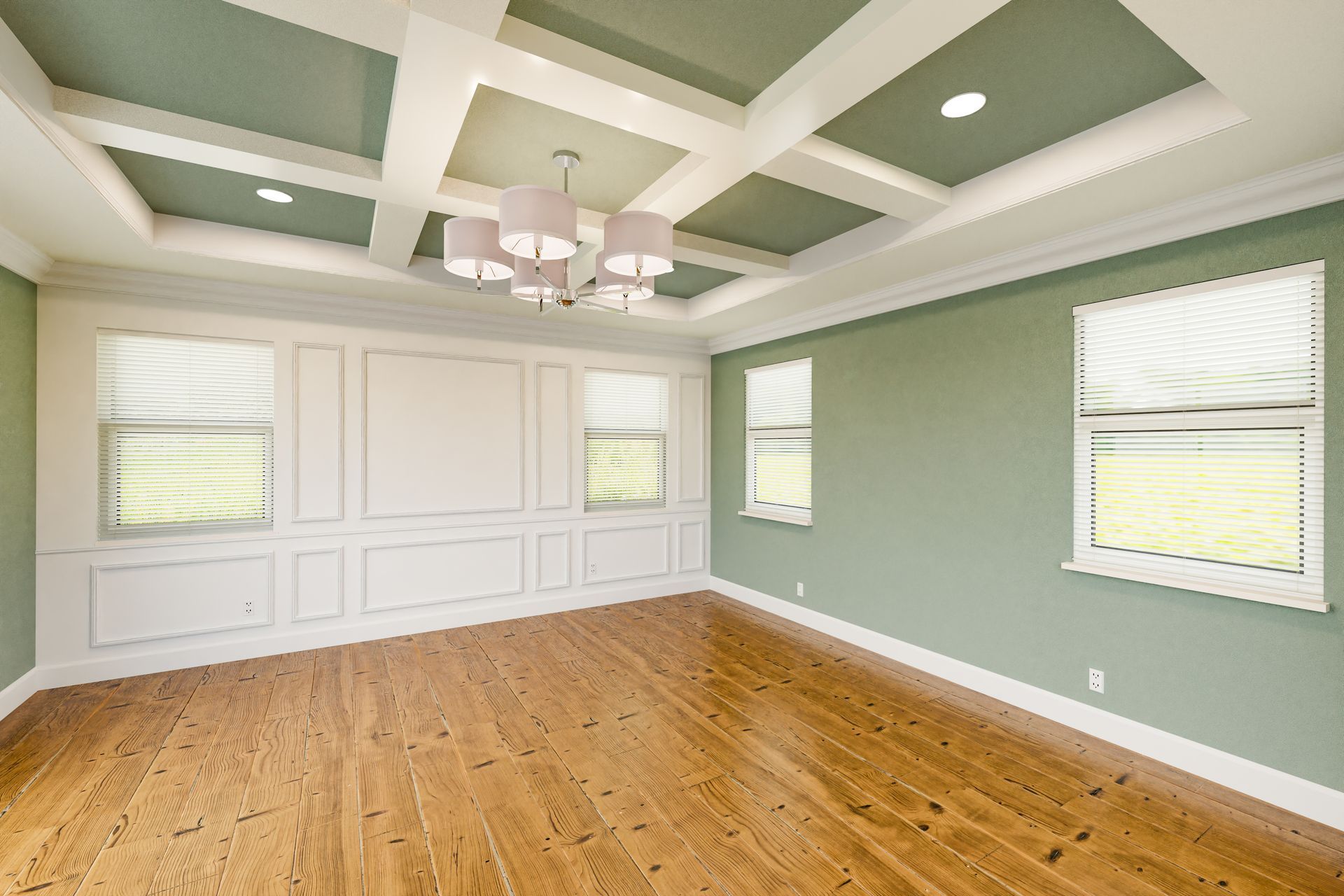
Custom woodwork installation begins with design consultation to identify wall dimensions, existing trim details, and how the new surface integrates with baseboards and crown molding. Material selection follows, where reclaimed wood offers rustic character with visible nail holes and weathering, MDF provides a budget-friendly smooth finish ideal for paint, and hardwood species like oak or walnut deliver premium grain contrast. Layout planning ensures boards align with window casings and doorframes without awkward cuts at edges, and finishing includes staining or painting to match existing room tones or create deliberate contrast.
Schedule a design consultation to review material samples against your current wall color and lighting conditions.
What Proper Installation Requires
Stud location matters because boards fastened only to drywall will eventually pull away under seasonal humidity shifts common in Missouri homes. Each board gets secured to wall studs with finish nails or screws depending on material weight, and spacing between boards stays consistent across the entire surface to maintain clean sight lines from multiple angles. Board and batten installations require additional furring strips to create the raised panel effect, while geometric patterns demand precise angle cuts and dry-fitting before final attachment to avoid misalignment.
Once installation finishes, you notice how the wall changes room acoustics by softening sound reflection compared to drywall, and how shadows fall differently across textured surfaces when lamps turn on in the evening. Campbell's Carpentry applies caulking to seams where boards meet existing trim, then primes and paints MDF installations or applies stain and protective topcoat to natural wood, leaving surfaces ready for furniture arrangement without additional finishing work.
Cost varies based on wall square footage, material choice, and whether the design includes single horizontal shiplap or complex geometric arrangements requiring more labor and waste. Reclaimed wood prices fluctuate with availability, while primed MDF boards offer predictable material costs suitable for painted finishes. Installation includes surface preparation, which may involve removing existing trim or repairing drywall damage before boards go up, and finishing steps that seal surfaces against dust accumulation and moisture exposure.
What Homeowners Usually Ask
These questions come up during project planning and help clarify what accent wall installation involves for different room types and design goals.
What preparation does the wall need before installation?
Existing paint stays in place if the surface is smooth and free of peeling or bubbling, but wallpaper must come off completely and drywall repairs finish before boards attach to ensure flat backing across the entire installation area.
How do material choices affect the final appearance?
Reclaimed wood shows natural wear marks, color variation, and sometimes small gaps between boards that create rustic character, while MDF produces uniform smooth surfaces ideal for modern painted finishes where clean lines matter more than visible grain.
When should shiplap be painted versus stained?
Paint works well when the accent wall needs to match existing trim color or create high contrast against adjacent walls, while stain highlights natural wood grain and works best when other room elements like flooring or furniture already feature visible wood tones.
What dictates board spacing in shiplap installations?
Traditional shiplap uses a nickel-width gap between boards to allow wood movement during Warrenton's humidity swings between summer and winter, preventing boards from buckling when they expand while maintaining tight visual lines when they contract.
How does board direction change room perception?
Horizontal boards make narrow rooms feel wider by pulling the eye along wall length, while vertical installations increase perceived ceiling height, particularly effective in rooms with standard eight-foot ceilings that benefit from upward visual pull.
Campbell's Carpentry handles material sourcing, layout planning, and finishing to match your specific room dimensions and style preferences. Request a detailed estimate with material samples to compare wood species, finish options, and board patterns suited to your space.