4
Years Of Experience
Structures Built for Decades of Use
Barns, Shops & Pole Buildings in Warrenton for properties requiring durable storage, workshop space, or agricultural facilities
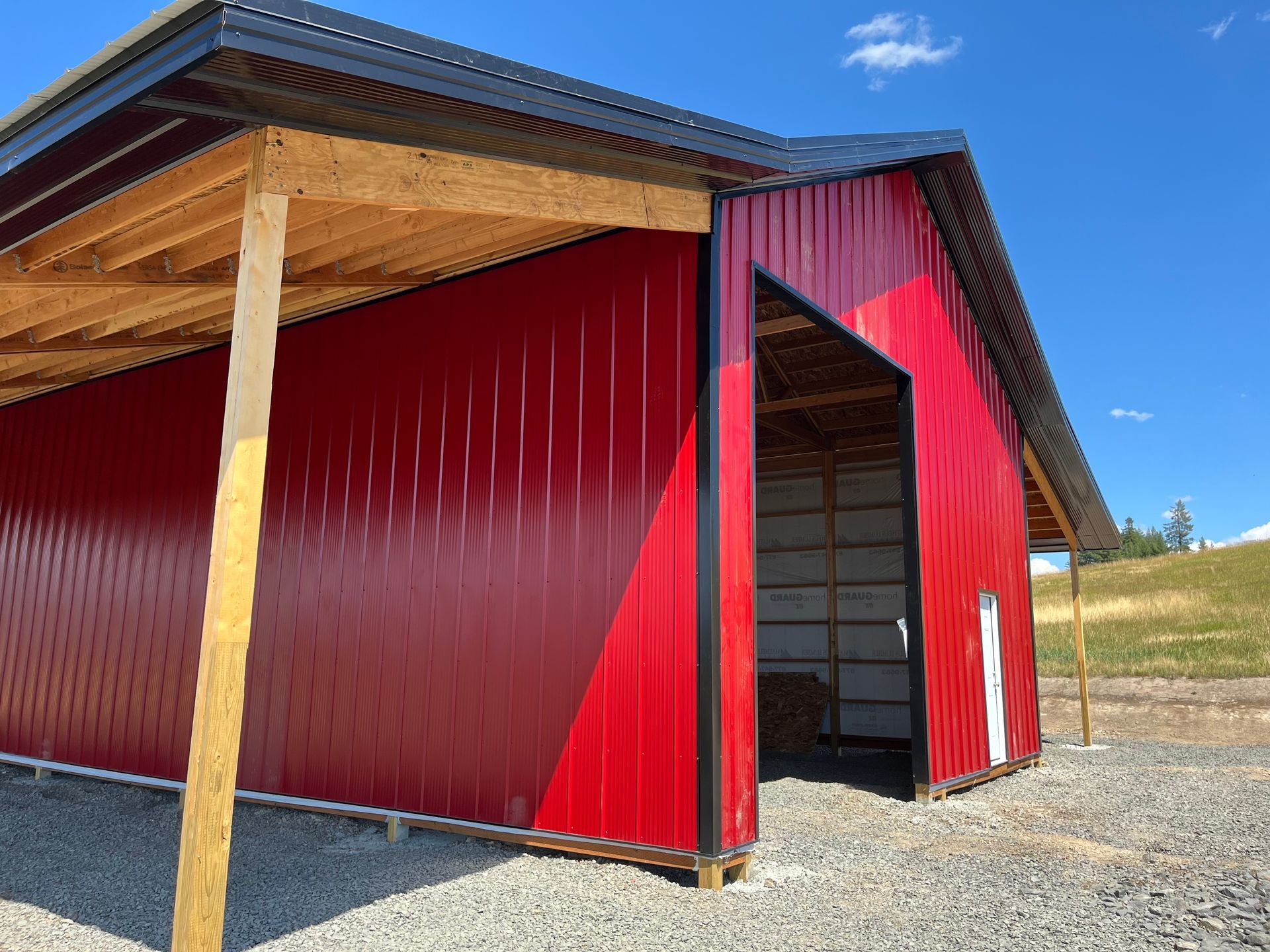
Concrete piers sink below frost line to prevent seasonal heaving that would rack door frames and pull siding loose over time. Campbell's Carpentry constructs pole barns, workshops, and agricultural buildings in Warrenton for landowners needing covered equipment storage, climate-controlled work areas, or livestock shelters built to withstand wind loads and snow accumulation common in Missouri. Post-frame construction methods reduce material waste and speed erection compared to conventional stud framing while delivering open interior spans without load-bearing walls interrupting floor space.
Construction begins with site preparation that levels the building footprint and ensures drainage slopes away from the structure, preventing water pooling near foundation piers. Treated posts get set in augered holes or mounted on concrete piers depending on soil conditions and frost depth, then trusses span between posts to create roof structure without interior columns. Metal roofing and siding attach to girts and purlins, providing weather protection and ventilation through ridge vents and soffit openings. Finishing options include insulated walls for climate control in workshops, overhead doors sized for equipment access, and concrete slab floors poured after framing completes.
Schedule a site evaluation to discuss building dimensions, door placements, and foundation options based on your property's soil conditions and intended use.
What Changes After Construction Completes
Properly engineered pole buildings handle lateral wind loads through diagonal bracing and metal panel attachment patterns that distribute force across the frame rather than concentrating stress at connection points. Insulation installed between posts and behind interior liner panels keeps workshops above freezing in winter and reduces heat buildup during summer, making year-round use practical for projects requiring temperature stability. Concrete floors slope toward drain points and resist cracking when heavy equipment rolls across the surface repeatedly, maintaining level work areas without the settling and rutting that gravel floors develop over time.
Once construction finishes, you notice how quickly snow sheds off metal roofing compared to shingled roofs, how overhead doors operate smoothly because frames stayed square during installation, and how interior clear spans allow flexible equipment placement without working around support columns. Electrical service runs through conduit attached to posts, providing outlets and lighting positioned where tasks happen rather than dictated by wall stud locations in traditional framed buildings.
Building size, roof pitch, and insulation level drive cost variations, with larger structures benefiting from economies of scale in material purchasing and labor efficiency. Agricultural buildings often use uninsulated panels and gravel floors to reduce expenses when climate control is unnecessary, while workshops justify insulated walls and poured slabs when year-round use and tool storage matter. Post spacing and truss design must account for local snow loads and wind ratings to meet code requirements and ensure structural integrity over the building's lifespan.
Common Questions About Pole Building Construction
Property owners considering barn or shop construction usually ask about foundation requirements, material durability, and customization options that affect long-term functionality.
What foundation method works best for pole buildings?
Concrete piers work well in stable soil and cold climates because they extend below frost line to prevent heaving, while direct burial of treated posts reduces cost in areas with minimal frost depth and well-draining soil that does not retain moisture against wood.
How does metal siding hold up compared to wood?
Painted metal panels resist rot, insect damage, and UV degradation without the maintenance cycle required for wood siding, and most manufacturers warranty paint finish for decades against fading and chalking, making metal the standard choice for agricultural and workshop buildings exposed to weather year-round.
When should insulation be included in a pole building?
Workshops used during winter or housing temperature-sensitive equipment justify insulated walls and roof to reduce heating costs and prevent condensation, while seasonal storage buildings or open-sided agricultural structures rarely need insulation unless specific livestock or crop storage requires climate stability.
What door sizes accommodate different equipment types?
Standard overhead doors at ten or twelve feet wide handle riding mowers and utility vehicles, while fourteen to sixteen-foot doors allow tractor and trailer access, and bi-fold or sliding door systems work for buildings needing full-width openings without protruding door panels when open.
How do building codes in Warrenton affect pole barn design?
Setback requirements from property lines, height restrictions, and engineered plans for wind and snow loads typically apply to structures over certain square footage, and agricultural buildings may have different permit requirements than commercial workshops depending on zoning and intended use.
Campbell's Carpentry handles site assessment, engineered plan preparation, and material sourcing to match your building's purpose and budget. Request a project estimate that includes foundation options, insulation choices, and door configurations suited to your equipment and workflow needs.