
4
Years Of Experience
Textured Walls That Change Light and Sound
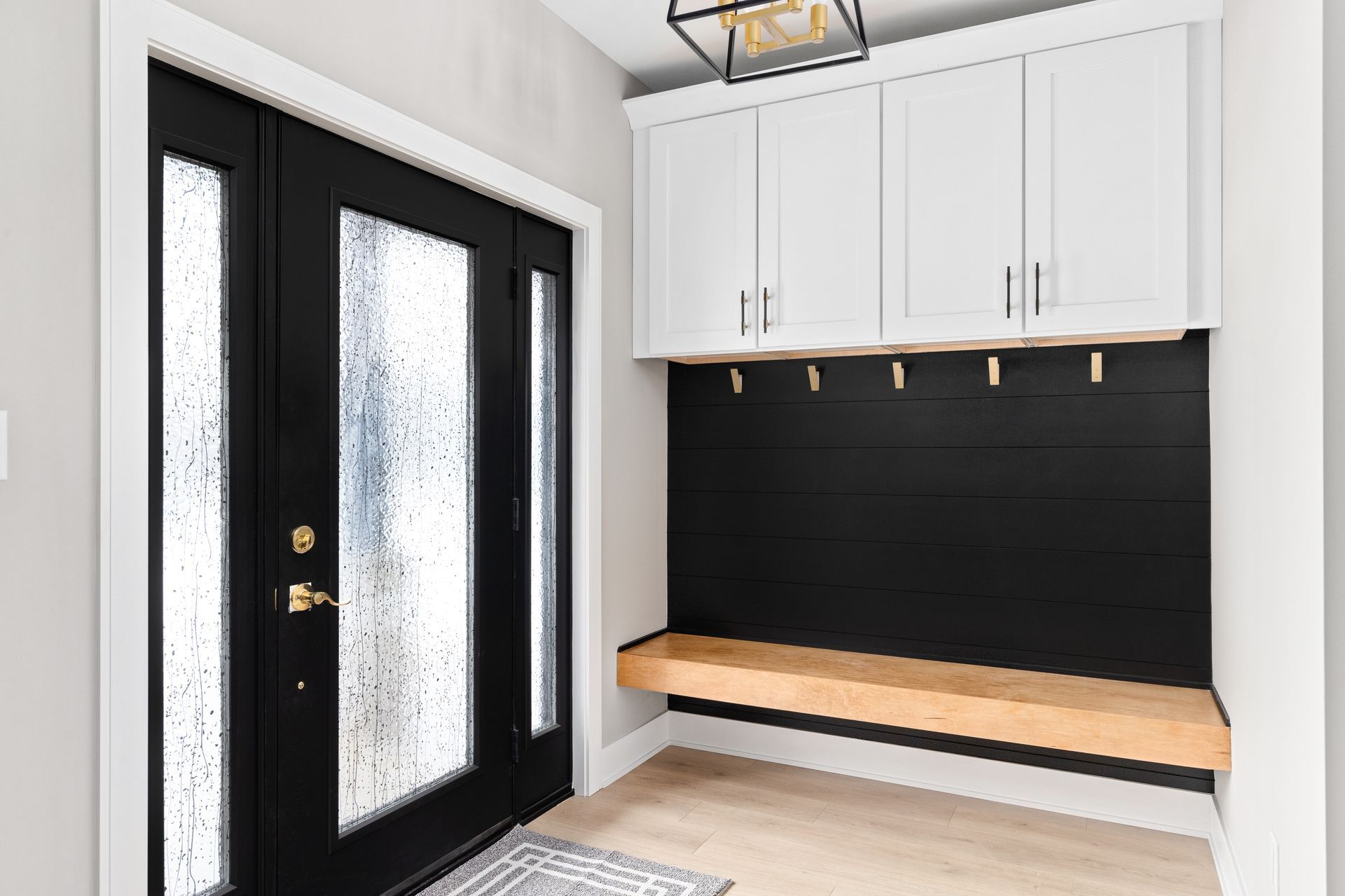
Shiplap Wall Installation in Warrenton for interiors needing defined texture and visual depth
Board spacing requires precision because gaps wider than a nickel create shadow lines that look inconsistent across the wall, while boards installed too tightly buckle when humidity rises during Missouri summers. Campbell's Carpentry installs shiplap walls in Warrenton homes where homeowners want farmhouse character in living rooms, bedroom focal points behind beds, or modern horizontal texture in entryways and dining areas. Installation quality determines whether seams stay tight during seasonal wood movement and whether painted finishes remain smooth without cracking along board edges over time.
Wall preparation starts with locating studs and marking layout lines to ensure the first board sits level, since every subsequent course follows that initial reference. Material choice between knotty pine, smooth primed MDF, or clear pine boards affects grain visibility and paint adhesion, with primed MDF delivering factory-smooth surfaces ready for finish coats while natural pine shows wood character that either gets sealed with clear topcoat or covered with paint. Board attachment uses finish nails or brad nails driven into studs at intervals that prevent sagging without splitting board edges, and consistent spacing gets maintained with shims or nickel-width guides placed between courses as installation progresses up the wall. Caulking fills gaps where boards meet trim, outlets get extended with box extenders to sit flush with the new surface, and priming followed by painting or staining completes the installation.
Request a detailed estimate with material samples showing grain patterns, paint finishes, and board profiles suited to your room's lighting and color scheme.
What Shiplap Installation Actually Accomplishes
Stud attachment prevents boards from pulling away when fasteners work loose over time, which happens frequently with installations that rely only on drywall anchors or adhesive without mechanical fastening into solid framing. Horizontal shiplap makes narrow rooms appear wider by pulling the eye along wall length, while vertical installations create upward visual movement that increases perceived ceiling height in spaces with standard eight-foot ceilings. Board profile affects shadow lines, with traditional shiplap creating defined grooves between courses and smooth tongue-and-groove joints producing subtler texture that reads as continuous surface from a distance.
Once installation finishes, you notice how textured surfaces diffuse light differently than flat drywall, reducing glare from windows while adding dimension that changes throughout the day as sunlight angles shift. Painted shiplap shows brush or roller texture across boards, while stained installations highlight natural grain and knots that vary from one board to the next, creating organic visual interest impossible to replicate with printed wallpaper or flat paint.
Cost depends on wall square footage, material type, and whether installation involves simple horizontal runs or complex patterns requiring angled cuts and additional waste. Primed MDF boards offer predictable pricing and smooth factory finish that reduces paint labor, while natural wood species fluctuate based on lumber market conditions and require staining or clear sealing as separate finishing steps. Installation includes cutting boards to exact wall width, routing around outlets and switches, and applying finish coats that protect surfaces from dust accumulation and allow cleaning without damaging exposed wood.
Answers to Frequent Shiplap Questions
Homeowners planning shiplap installations usually want clarity on material differences, finish options, and how board direction affects room appearance before committing to the project.
What is the difference between shiplap and tongue-and-groove boards?
Shiplap boards overlap with a rabbet joint that creates a visible groove between courses, producing defined shadow lines, while tongue-and-groove boards interlock with flush surfaces that hide joints and read as continuous texture without pronounced seams.
How does board orientation change a room's appearance?
Horizontal boards emphasize wall width and make spaces feel broader, which works well in narrow rooms or hallways, while vertical boards draw the eye upward to increase perceived ceiling height, particularly effective in rooms where you want to reduce the feeling of a low ceiling.
When should shiplap be painted instead of stained?
Paint provides uniform color that matches existing trim and hides wood grain variations, making it ideal for modern or minimalist interiors, while stain showcases natural wood character including knots and grain patterns that add organic texture suited to farmhouse or rustic design styles.
What wall preparation does shiplap require in Warrenton homes?
Existing drywall stays in place if it is smooth and securely attached, but loose sections need refastening and holes require patching so boards sit flat against a uniform backing, and wallpaper must be removed completely because it prevents proper board adhesion and can bubble or peel over time.
How do you maintain shiplap after installation?
Painted shiplap wipes clean with damp cloths and occasionally needs touch-up paint along high-traffic areas or where furniture contacts the wall, while stained or natural wood finishes benefit from dusting to prevent buildup in grooves and periodic reapplication of topcoat to maintain moisture protection and color depth.
Campbell's Carpentry sources materials, handles stud location, and applies finishing coats to deliver shiplap installations ready for immediate use. Schedule a consultation to review board samples, discuss horizontal versus vertical orientation, and identify which wall in your home benefits most from added texture.